



The House System
An overview of the house system
At LAE Tottenham we believe that our students thrive in an environment where pastoral care is a priority.
Every student at LAE Tottenham has a tutor to support with their academic development and their pastoral care. Each tutor group is named after a top university and meet once a week for pastoral time in addition to daily registration.
Additionally, each tutor group belongs to one of six houses which are Hartington, Lea, Marsh, Seven Sisters, Stonebridge and Tower.
Our houses are all named after key areas in Tottenham - please see below. House competitions take place across each half-term where reward trips and prizes are provided for winning houses.
Hartington
House Captains

Our Motto
'Proud in unity, strong in purpose.'
Where Our Name Comes From
Hartington Park opened in 1978 on the site of demolished terraces, including Hartington Road from which the park gets its name. The houses on the site were deliberately demolished, although its appearance made some local residents assume at first that the area had been a casualty of bombing during World War 2. It took many years for Hartington Park to be created, following social campaigning led by community groups, who were pivotal in ensuring its completion.
In 2023, as part of a wider community culture initiative in Haringey, artist, local resident and Friend of Hartington Park Rachel Gornall created ‘The Hartington chairs’. They are beautiful pieces that explore the importance of community, shared spaces and nature as a vital resource and glue to bring local people together. The Hartington Chairs are used as story chairs to collect the reminiscences of residents who remember the streets, houses and businesses that preceded the park and the memories and experiences of those who have grown with the park and for whom that park has connected them as a community.
Lea
House captains

Our Motto
'Rise Flow. Lead'
Where Our Name Comes From
Running from the chalk hills of the Chilterns to the Thames in London’s East End, the River Lea and the Lee Navigation, have both played a key part in the growth of London, the history of our nation and the course of the modern world. Dr Jim Lewis is one of the few historians to have tracked the amazing influence of this stretch of water.
The River Lea has long served as a natural boundary - historically between Essex and Middlesex, and now forming part of the eastern edge of the London Borough of Haringey, where Tottenham is located.
The River Lea is more than just a waterway; it is a defining element of Tottenham’s landscape, history, and future. It provides ecological balance, supports recreation, and is central to urban regeneration efforts- playing a crucial role in shaping both the physical and cultural fabric of the area.
Marsh
House captains

Our Motto
'Soft ground made us, strength defines us.'
Where Our Name Comes From
The marshes are part of the historic floodplain of the River Lea and have existed as open marshland for centuries. They are among the last remaining examples of London's natural marshland.
Tottenham Hotspur Football Club was founded in 1882 by schoolboys from the local area. Early games were played on the Tottenham Marshes, making it the spiritual birthplace of the club. The club’s connection to the marshes reflects its strong community origins. THFC emerged from local working-class culture and informal street and field football played on open spaces like the marshes.
Tottenham Marshes are a vital environmental, recreational, and cultural asset to Tottenham. Their link to Tottenham Hotspur FC gives them added historical resonance, anchoring the club in its local landscape and working-class origins. As both green lungs for the city and a symbolic birthplace of Spurs, the marshes continue to shape the community's identity and well-being.
Seven Sisters
house captains
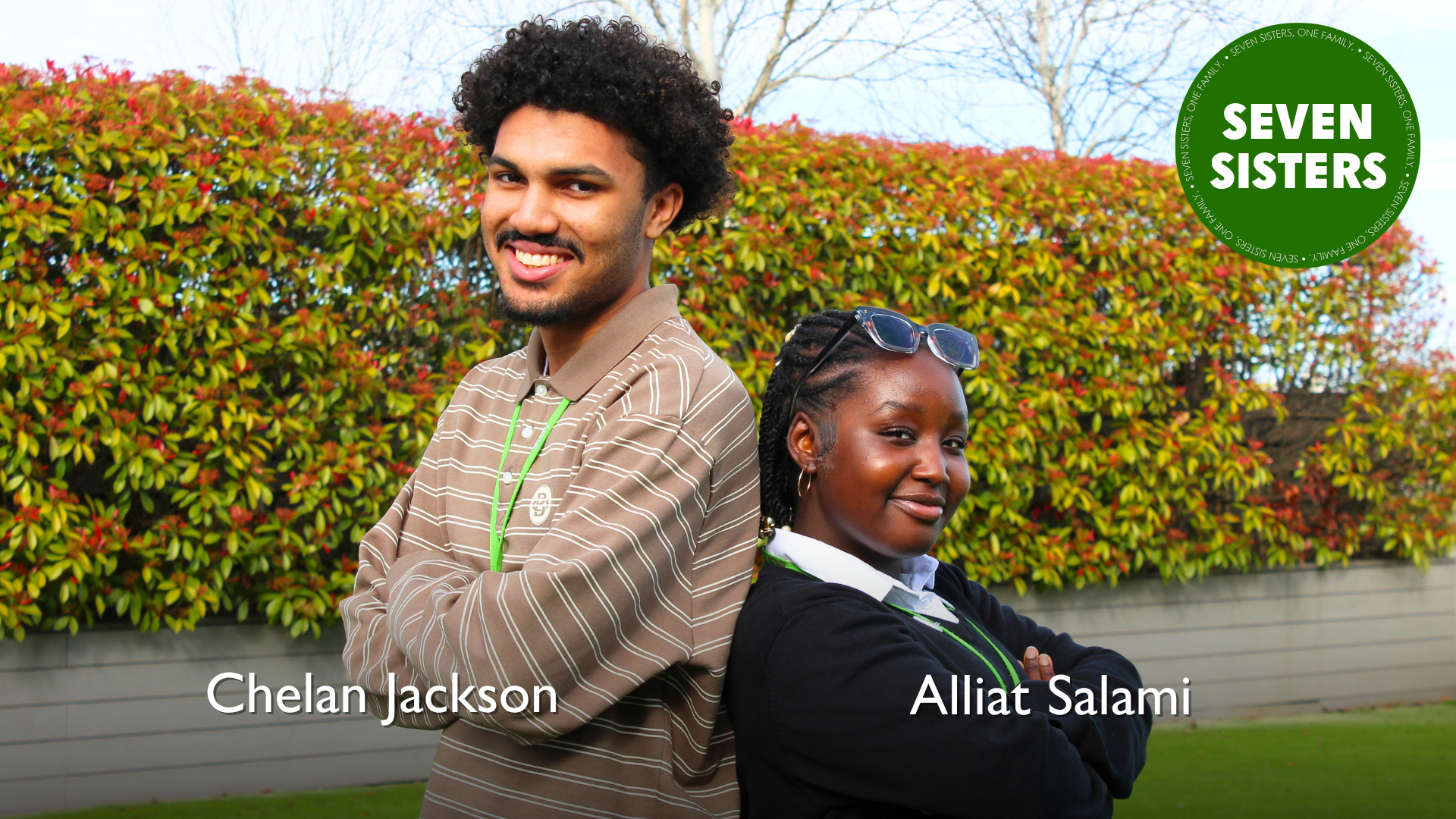
Our Motto
'Seven sisters, one family.'
Where Our Name Comes From
The name “Seven Sisters” dates back to at least the 17th century, believed to be linked to seven elm trees planted in a ring by seven sisters near what is now Page Green Common. The trees have been replanted several times throughout history, each time by seven sisters from Tottenham.
Seven Sisters is one of the most ethnically diverse parts of Tottenham. It has vibrant communities from Latin America, the Caribbean, Africa, Eastern Europe, and more.
These seven landmark trees have become iconic for our communities and are important for our environment. Giving their name to several landmarks in the area, the trees have continued to inspire everyone over the centuries. This name represents unity, family, and local folklore.
Stonebridge
House Captains
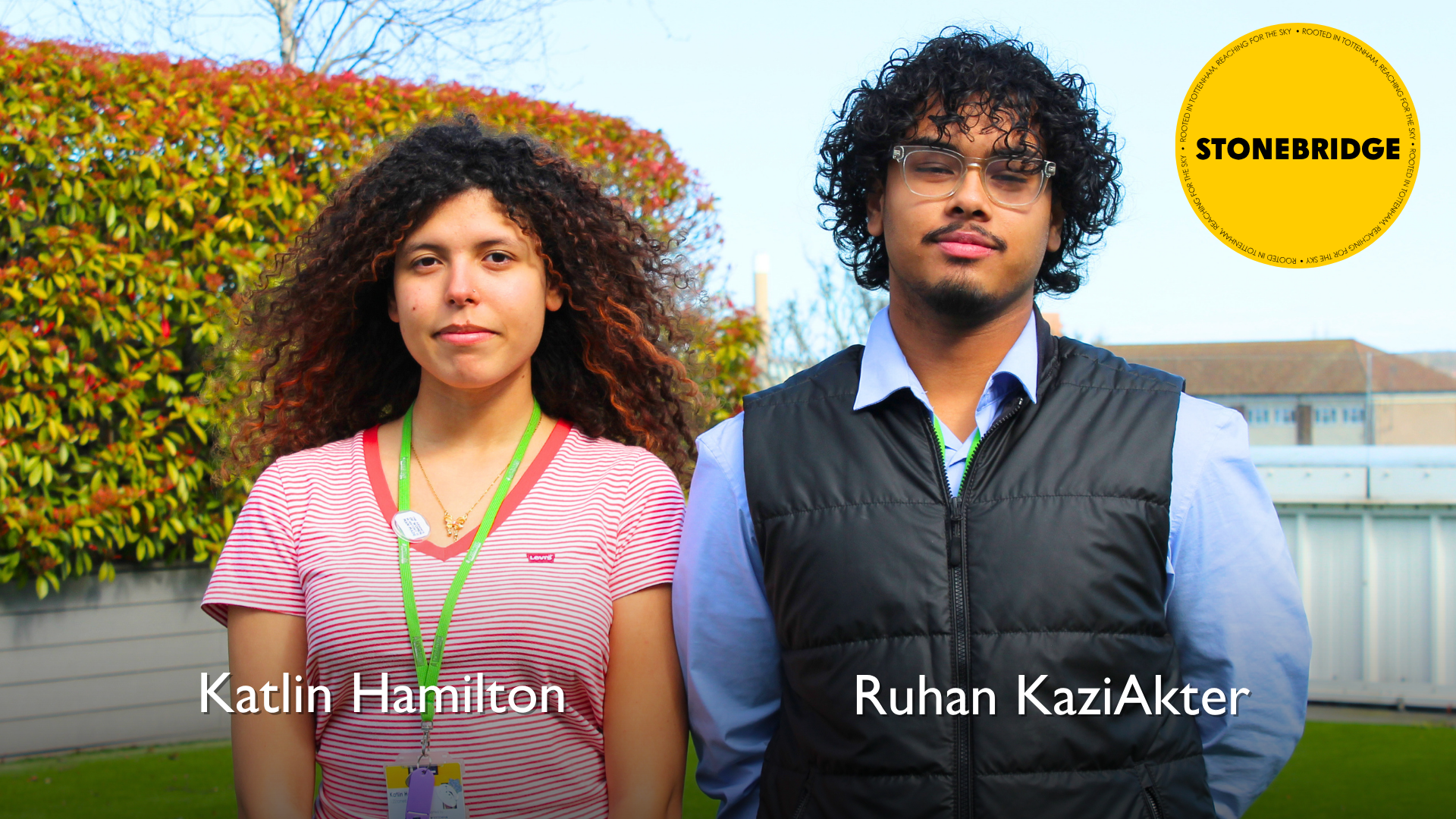
Our Motto
'Proud in unity, strong in purpose.'
Where Our Name Comes From
Stonebridge Lock is an essential component of Tottenham’s natural and historical framework, symbolising the area’s industrial heritage while catering to contemporary ecological needs. It offers a tranquil space for recreation and learning. As a part of the River Lee Navigation, it links Tottenham to an extensive network of green and blue spaces, enhancing environmental resilience and community well-being.
Historically, the lock and canal network played a crucial role in local employment and the economic prosperity of the Lea Valley, especially before rail and road transport became dominant.
As industrial use waned in the 20th century, the area surrounding Stonebridge Lock evolved into a green corridor. Today, the lock stands as a cultural landmark, embodying Tottenham’s industrial past and its transition towards a community- and nature-focused environment.
Tower
house captains
Our Motto
'Together we build, tomorrow we tower.'
Where Our Name Comes From
At the turn of the 20th century, Tottenham was shifting from a rural village to a growing suburb, thanks to new railways and tramlines. Surrounded by fields, it became a key area for the London County Council (LCC) to trial its early powers to acquire land and build public housing.
Tower Gardens Estate was one of the first planned social housing developments in the country. Designed by leading architects of the Arts and Crafts Movement and funded by progressive social reformers, the estate aimed to provide healthy, well-built homes for working-class families. Its layout, craftsmanship, and planning reflected a new approach to urban living.
Today, Tower Gardens is a Conservation Area, symbolising both Tottenham’s suburban transformation and its role in the early history of social housing reform in Britain.